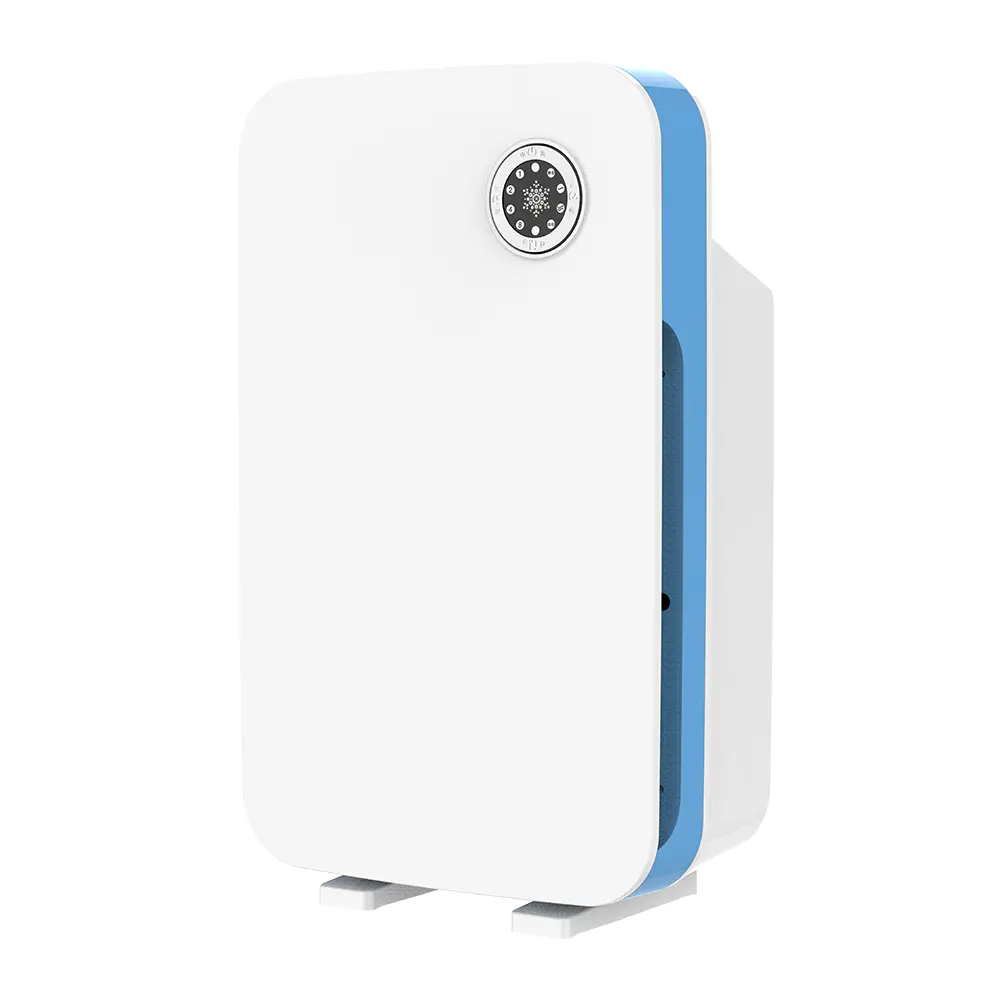
In modern urban life, air purifiers are no longer a luxury but a necessary health investment for your home. Whether it’s to deal with allergens, pet dander, or to filter out volatile organic compounds (VOCs) in the air, choosing a high-performance purifying device is of utmost importance.
This guide will provide you with a detailed analysis of the core technologies of air purifiers, helping you create a pure breathing environment for your family.
Why do you need a high-quality air purifier?
Indoor air pollution is often more severe than outdoor pollution. From formaldehyde released by furniture to fine particles produced during cooking, the invisible threats in the air constantly affect our health.
The main benefits of using an air purifier include:
Relieve allergic symptoms: Effectively capture pollen, dust mites and pet dander.
Remove odors: Eliminate kitchen, cigarette smell and pet odors.
Filtering harmful gases: For newly renovated houses, it can effectively reduce the concentrations of formaldehyde and benzene.
Core Technology Analysis: HEPA Filters and Activated Carbon
When reviewing the specifications of an air purifier, you will notice two crucial terms: HEPA and activated carbon.
What is a True HEPA filter?
A True HEPA (High Efficiency Particulate Air) filter is an industry standard. It can capture 99.97% of particles with a diameter as small as 0.3 micrometers. This includes most bacteria, virus carriers and PM2.5 particles.
The Function of Activated Carbon Filters
Although HEPA filters can capture solid particles, they are unable to handle gases. The activated carbon filters, through adsorption, specifically deal with odors and chemical vapors. If you have just moved into a new home, an air purifier with a thick layer of activated carbon is your best choice.
3 Key Indicators for Selecting an Air Purifier
To ensure that the air purifier operates effectively in your room, please pay attention to the following parameters:
CADR value (Clean Air Delivery Rate)
CADR represents the total amount of clean air generated by the purifier per hour. The higher the CADR value, the faster the purification speed. It is recommended to select an appropriate CADR coverage range based on the size of the room.
CCM value (cumulative purification capacity)
This determines the durability of the filter. The higher the CCM value, the more pollutants the filter can handle, the longer the replacement cycle will be, and the lower the long-term usage cost will be.
Noise level (in decibels)
For air purifiers placed in bedrooms, noise control is of utmost importance. It is recommended to choose models that have a noise level of less than 30 decibels in the “sleep mode”.
How to maintain your device to keep it at its best performance?
Buying an air purifier is just the first step. Correct maintenance is necessary to ensure its long-term effectiveness:
Regularly replace the filter: Most HEPA filters need to be replaced every 6 to 12 months.
Clean the pre-filter: Clean the outermost plastic filter once a month, which can reduce the burden on the internal HEPA filter.
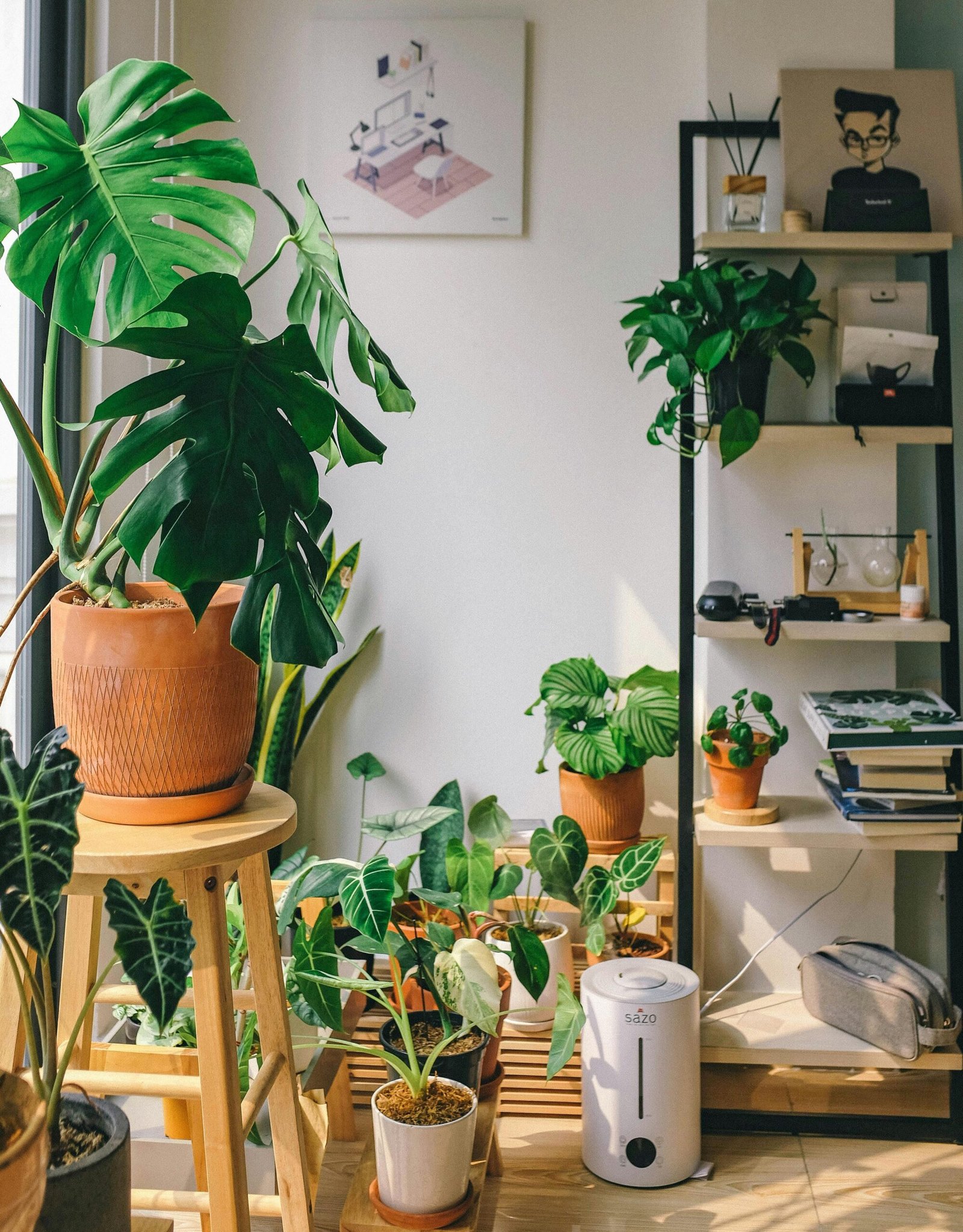
Placement location: Avoid placing the purifier against the wall. Ensure there is a 20-30 centimeter space around the intake and exhaust vents.
Summary
Choosing the best air purifier depends on your specific needs: is it for allergies, pets, or removing formaldehyde from a new home? By focusing on the HEPA rating, CADR value, and noise performance, you can easily find the ideal solution that balances performance and budget.
Are you looking for recommended models with specific room areas? Please feel free to contact our experts to obtain personalized indoor air quality solutions!